Not all green is the same: new rules for sustainability communication


Not all green is the same: new rules for sustainability communication
Sarah Krasser-Fuchs I Know-How, Uncategorized I 12. November 2026
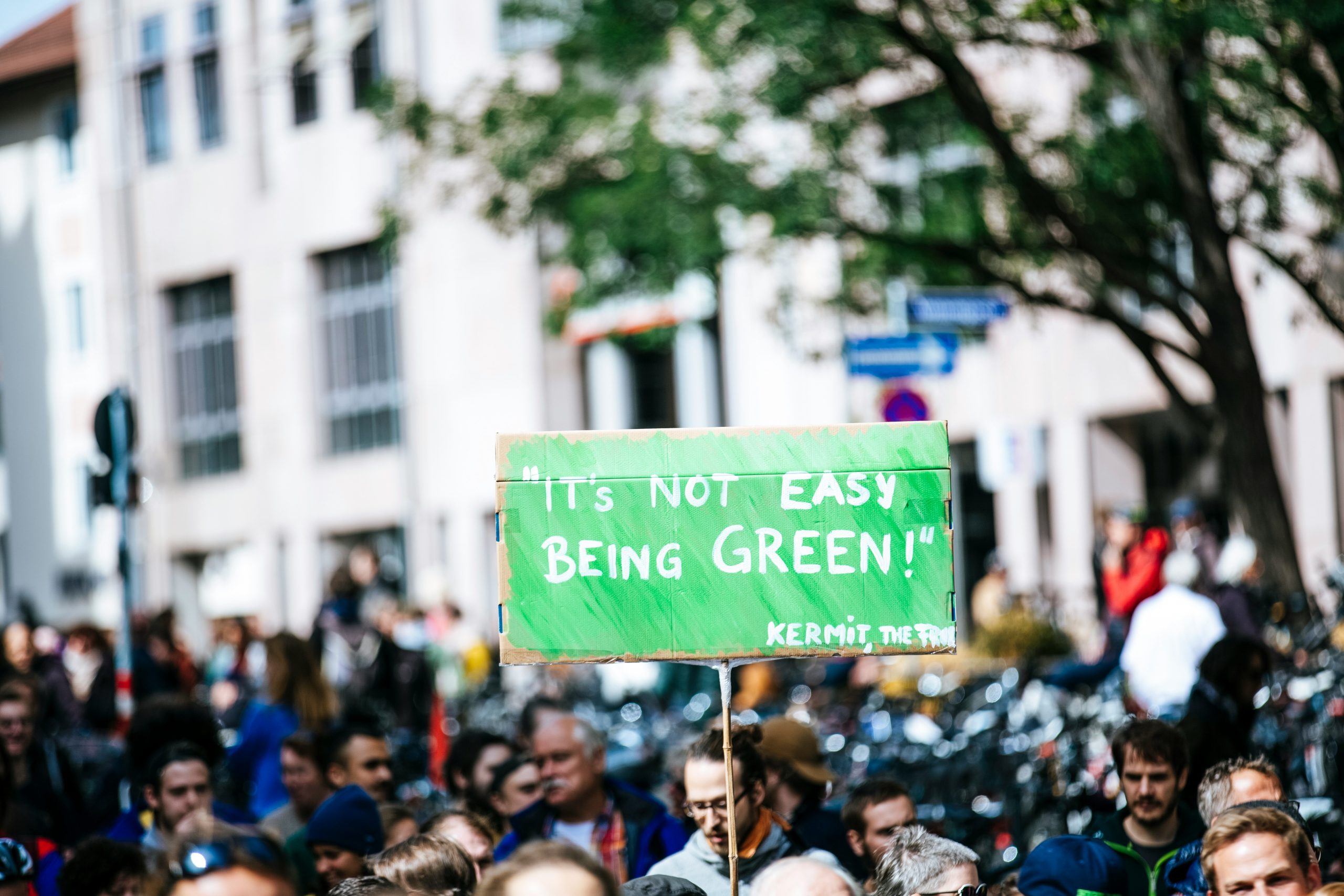
‘Sustainable’, ‘environmentally friendly’, ‘climate-neutral’: words like these roll off the tongue easily. From 27 September 2026, it will be more important than ever to weigh them up carefully beforehand. An amendment to the Unfair Competition Act (UWG) tightens the rules governing environmental and sustainability claims, thereby implementing large parts of the EU Directive ‘Empowering Consumers for the Green Transition’, or EmpCo for short. It applies to all businesses that communicate with consumers, including small ones.
From product labels to press releases
This affects climate, environmental, sustainability and social claims relating to products, services or the company itself. This ranges from packaging, via websites and social media, to product names, logos and graphic representations. Anyone advertising fair working conditions, human rights or animal welfare must also be able to substantiate these claims. Even a slogan such as ‘sustainable employer’ can become legally relevant as soon as it is directed at consumers. Purely B2B communication is generally exempt.
No more green platitudes!
General environmental claims are now only permitted if they are backed by recognised outstanding environmental performance. According to the Austrian Chamber of Commerce (WKO), this includes, for example, the EU Ecolabel, national ecolabels in accordance with EN ISO 14024 Type I, or Class A energy efficiency. Specific claims remain permitted provided they are accurate, unambiguous and verifiable.
For example: ‘Our hotel is sustainable’ is too vague. ‘Our hotel uses 100 per cent green electricity’ can be verified, provided the claim is correct. And the specific details must appear where the claim is made: on the same packaging, in the same advert, on the same website. A link or QR code to the supporting evidence is not sufficient.
A product may no longer be advertised as ‘climate-neutral’ if this is based solely on CO₂ offsetting. Anyone promising to be “climate-neutral by 2030” must have a detailed, realistic implementation plan with measurable targets, which is regularly reviewed by independent experts. Sustainability labels are now only permitted if they are based on a recognised certification system or have been established by the state. The self-designed green leaf on the packaging has therefore had its day.
What does this mean for communications departments?
The first step is to take stock: where does the company use such statements? Everything is put on the table, from SEO texts and presentations to vehicle signage. Next, each statement is examined individually: what can be substantiated with certificates, audit reports, supplier confirmations or data? What needs to be made more precise, and what can be omitted? An action plan sets out who is to change what and by when. The supporting evidence is filed in an organised manner.
To ensure that new statements do not slip through the net again, binding language guidelines and a clear approval process are required, involving PR, marketing, sustainability management and the legal department. Ultimately, it is lawyers who assess whether a statement holds up legally in individual cases. Managers and spokespersons should be familiar with the new rules before giving their next interview.
Greenwashing? Silence is not the answer either
“The concern about phrasing something incorrectly is understandable. However, it should not lead to companies ceasing to talk about their progress altogether. It is important to remain precise. A hotel that uses green electricity can and should state this confidently – but that alone does not make it a sustainable hotel,” explains Sarah Krasser-Fuchs, junior partner at comm:unications.
Would you like to adapt your communications to meet the new requirements?
We can help you critically examine your messages, formulate them clearly and convey them credibly.
Get in touch – together, we’ll get your sustainability communications spot on!

With EmpCo, environmental claims are now subject to the same rule that has always applied in communication: only what can be substantiated is credible.
Sabine Pöhacker
Management comm:unications
With EmpCo, environmental claims are now subject to the same rule that has always applied in communication: only what can be substantiated is credible.
Sabine Pöhacker
Management comm:unications
Contact
Legal Notice
Social Links

Contact
Legal Notice
Social Links
comm:unications has been providing high quality PR services since 1996. For our clients, we develop PR strategies and creative content. We create messages and stories and score with contacts, media relations, video PR and social media. We get things moving with marketing campaigns, PR events and awareness campaigns. Our specialities are systemic CEO consulting, litigation PR and crisis communications.


Sign up for our newsletter
oder press mailing list
Seit 1996 liefert comm:unications höchste Qualität in allen PR-Bereichen. Für unsere Kunden entwickeln wir PR-Strategien und Creative Content. Wir konzipieren Botschaften und Stories. Wir punkten mit Kontakten, reichweitenstarker Medienarbeit, Video-PR und Social Media. Wir bewegen mit Marketing-Aktionen, PR-Events und Awareness-Kampagnen. Spezialbereiche sind systemische CEO-Beratung, Litigation PR und Krisen-Kommunikation.
Melden sie sich für unseren Newsletter
oder Presseverteiler an.
